
Blog
How To Blend Hardscaping and Softscaping for a Cohesive Look

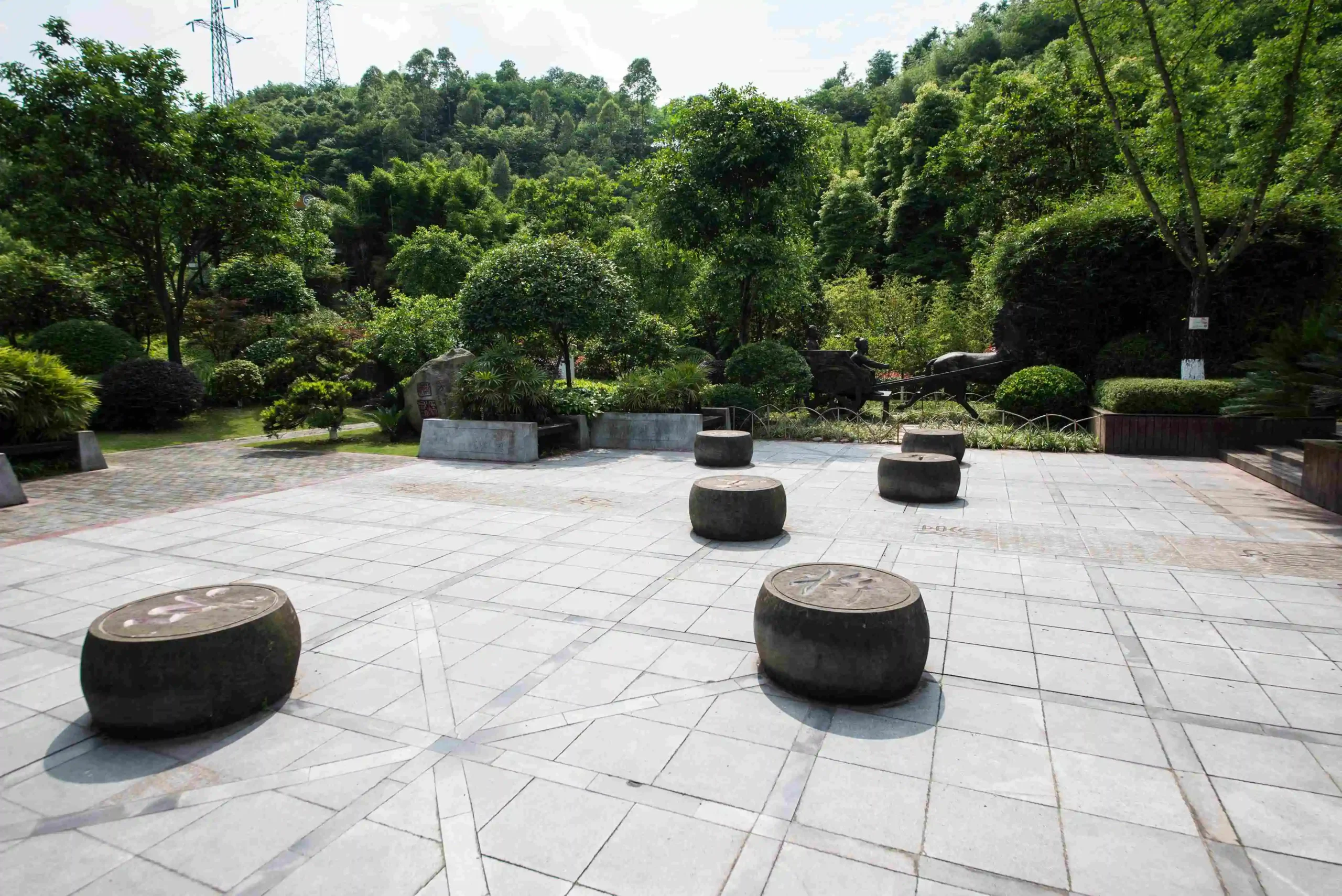
An outdoor space that is thoughtfully designed has a welcoming and unique quality. By combining hardscaping features with softscaping, you balance elements like patios, walkways, and retaining walls with trees, grass, shrubs, and flowers. When these aspects work together, you create a cohesive outdoor area that is both functional and aesthetic. Here are some tips for blending non-living and living elements:
Make a Clear Plan
Before beginning a project, it’s helpful to work with a hardscaping company to develop a clear, reasonable plan. Understanding your needs and what you want will help you make decisions about your yard, such as tailoring it to an entertainment or relaxation area. Hardscape structures help provide flow and define areas of the yard, while softscaping provides warmth and personality.
Rather than treating the hard and softscape as separate zones, a professional helps you create a design that integrates both. They also help create a balanced look. Too much hardscape can feel rigid without plants to complement it, and too many softscape features often feel chaotic. Have a plan that verifies these pieces complement, not compete with, each other.
Choose High-Quality Materials
Choosing materials that blend well with the natural landscape helps give your yard a balanced look. Items like brick, stone, or wood all have a natural feel and work well with landscape features. The texture and color of these items don’t overpower the visual interest plants provide, helping highlight bright blooms or variegated leaves. Hardscape materials can be used to create a brick paver patio or surround a flower bed. When choosing materials, pick those with colors that complement your softscaped features. If you have a large number of plants, warm stone colors or a brick blend often work nicely. For yards with minimal foliage, cooler colors frequently match well.
Hardscape the Framework
Hardscaping features often define the flow of your outdoor area. Things like patios, decks, and guided steps help guests know which way they are expected to walk. Once you have designed your yard’s layout, you can add points of visual interest with softscape features. Flowers or other unique plants surrounding a patio add warmth, while shrubs and trees placed along pathways provide shade and color.
To help blur the hard, sharp lines of hardscape features, you can plant around them to hide them from view while still providing structure to your yard. Low-growing shrubs or ground-covering plants soften walkway or patio edges, blending the features. This helps create a cohesive look.
Another approach is to plant climbing plants around hardscape features. Plants like vines, wisteria, or climbing rose bushes cover these structures; this makes them feel like part of the natural landscape. It can also add shade and verticality to a yard.
Make it Proportionate
When developing a landscape plan, review the mature size of each element and how it compares to nearby features. Trees planted too close to buildings may eventually dominate the structure and block sightlines or natural light. Oversized hardscape elements, such as retaining walls or patios, can overwhelm smaller planting beds; this shifts focus away from prize plants or entryways. A well-balanced landscape plan accounts for scale, spacing, and growth over time, allowing key features to stand out without being visually crowded.
Add Hardscaping Features Today
To create a cohesive, unique look, blend hardscape items with softscaping features. Your yard can be tailored to any purpose, from relaxation and hosting to play. A professional will assess your yard to help you create a plan; they may recommend creating flower beds surrounded by stone or brick, or a pergola that is covered in vines. Contact a landscaping company today to get started designing your yard.