Blog
What Materials Can Go In a Rented Dumpster?

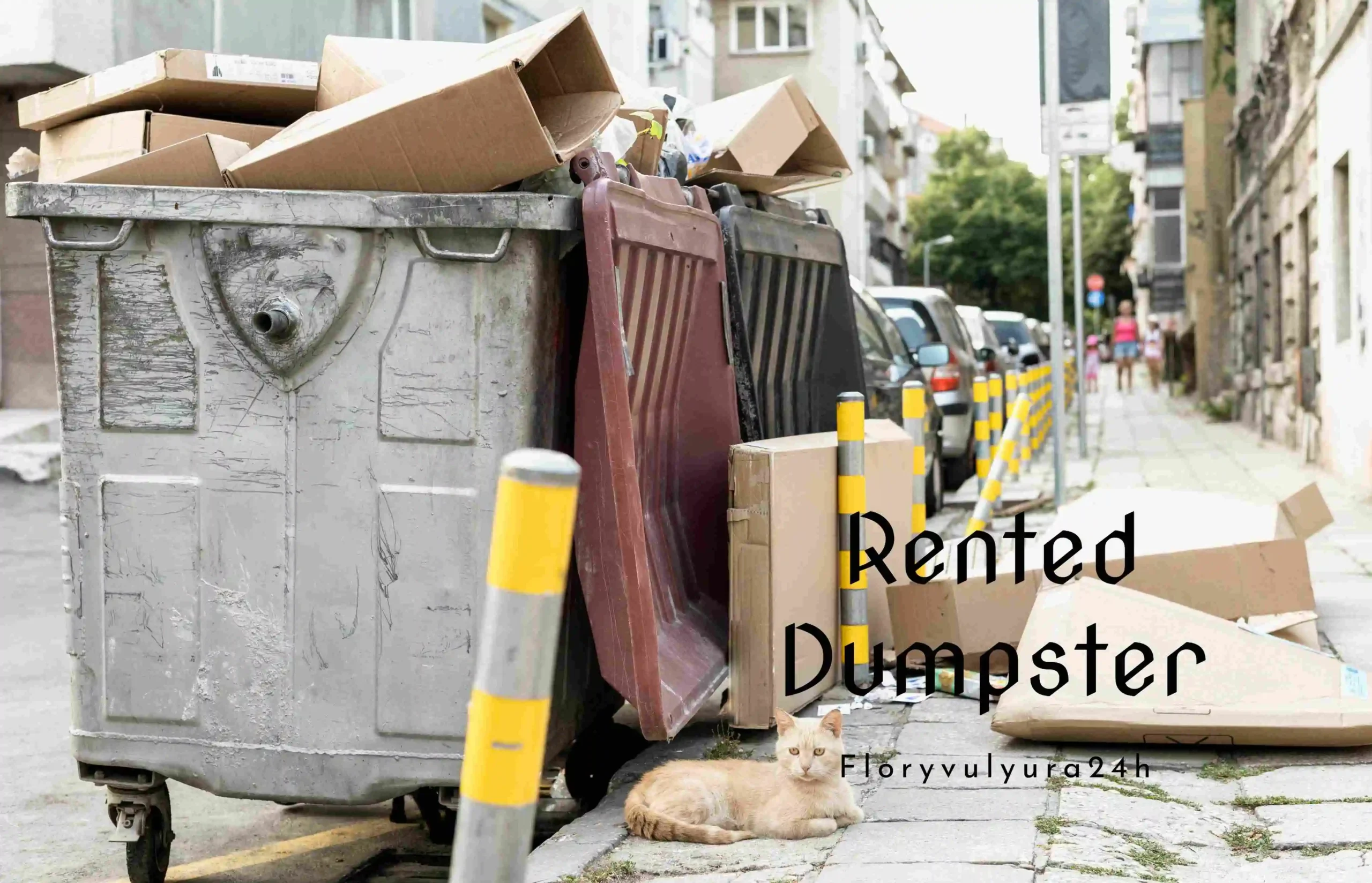
Rented dumpsters provide a safe, reliable, and convenient way to dispose of commercial and residential waste. While most dumpster rentals accept a wide range of materials, they sometimes restrict certain items due to environmental and safety regulations. Knowing what is acceptable for disposal in these containers supports a smooth waste removal process. Here are some different materials that can go in a dumpster rental:
Furniture and Interior Items
Many dumpster rental companies accept furniture and other interior items from homes and commercial spaces. Wooden and upholstered furniture pieces fall into this category. Some commonly accepted items include couches, office desks, cabinets, and shelving units. Since these items are bulky, breaking them down into smaller pieces allows for better space utilization and easier loading.
Interior items, such as carpeting, cushions, curtains, and decorative elements, can also go in a dumpster. Before loading these materials, check with your rental provider about any restrictions. Some companies impose strict rules on mattresses and box springs; they often require special handling to disassemble, recycle, or dispose of them properly.
Electronics and Appliances
Dumpster rental companies often reject electronics and appliances because they contain harmful chemicals. But some items are still acceptable; qualifying electronics include low-risk items that do not use lead-acid batteries or other hazardous components. Wired computer peripherals like keyboards and mice, as well as remote controls and speakers, are among the electronics you can place in these containers. A rental company may be able to recommend an e-waste disposal location for these and other items.
Residential and commercial appliances need careful handling before disposal. Disconnect all power sources, water, and gas connections; this reduces the risk of leaks and electrical hazards. For appliances such as dehumidifiers, drain any remaining fluid. In some cases, the rental provider may require that the freezer and refrigerator doors be removed before disposal to reduce the risk of accidents. Before placing these items in the dumpster, speak to the dumpster company about any local regulations for safe disposal.
Construction and Renovation Materials
Dumpster rentals provide a safe way to dispose of debris from construction, renovation, and DIY remodeling projects. Acceptable items include:
- Flooring
- Roofing components
- Masonry
- Wood
- Drywall
- Packaging waste
Because many of these materials are dense and heavy, they require uniform loading to stay within haul limits. Mixing light and heavier construction materials improves weight distribution and container space utilization. Before disposing of any renovation material in a dumpster, conduct a close inspection. Look for items with treated finishes, sealants, and adhesives because they are sometimes subject to restrictions. If you are renovating older structures, consult the rental provider beforehand to confirm whether they will accept the debris; outdated insulation and plaster might contain prohibited elements.
Outdoor Project and Event Waste
Outdoor projects and events generate waste suitable for dumpsters. Yard waste, such as dirt and branches, can be placed in a dumpster; this allows you to clean outdoor spaces quickly without making multiple trips to the landfill. Worn decor, packaging materials, broken fixtures, and disposable utensils are commonly discarded during outdoor celebrations like weddings. Event-related waste tends to accumulate quickly, making centralized dumpster disposal a practical solution. Bag loose items and flatten boxes to save space and make hauling easier.
Factors To Review When Renting Dumpsters
When renting dumpsters, review available container sizes and weight limits. Projects, such as house cleanups or construction and renovation work, generate different waste volumes and material types. Matching the container size to the project scope supports efficient waste disposal. Container placement and accessibility are key when arranging dumpster delivery; you need enough space for trucks to maneuver and place the container safely. Choose a stable surface that can withstand heavy loads, such as a driveway, to prevent the ground from sinking or shifting during the rental period. An ideal location provides easy access for loading while complying with local regulations and homeowners’ association rules.
Work With a Dumpster Rental Company
Renting a dumpster can simplify waste disposal for both residential and commercial projects. Understanding acceptable dumpster materials and proper disposal practices helps streamline waste management efforts and supports regulatory compliance. A professional rental provider guides you throughout the disposal process, helping reduce common pitfalls and maximize the efficiency of your project. Contact a dumpster rental provider in your area to discuss your waste removal project.