
Blog
How a Commercial Plumber Makes Sure Your Business Stays Compliant With Local Codes

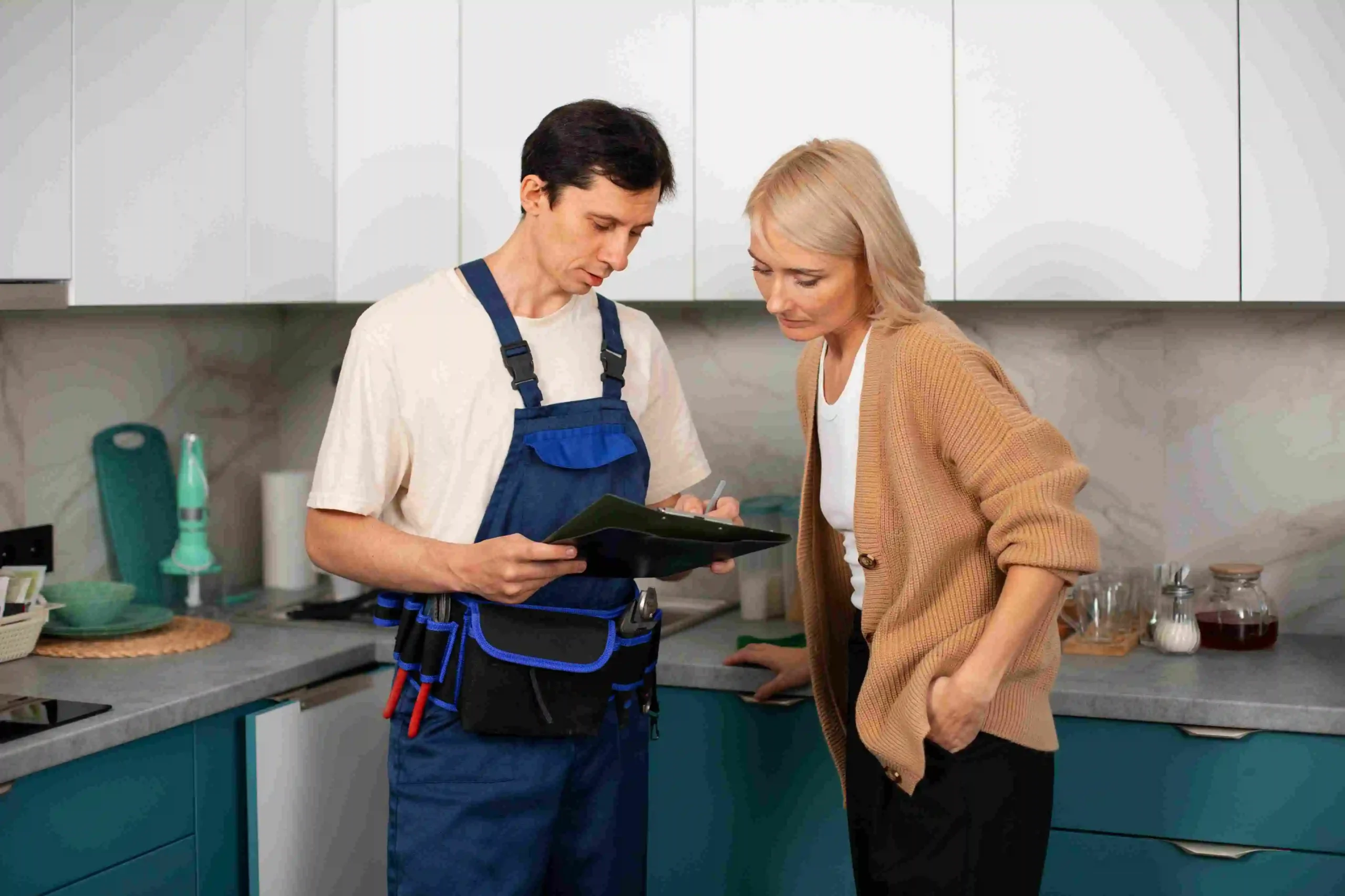
Commercial plumbing systems are more complex than residential systems and require timely service and ongoing maintenance. Plumbing systems must comply with local codes to meet regulatory requirements. Working with qualified contractors helps verify compliance and reduces the risk of safety or health issues.
Here are several ways a commercial plumber helps keep your business aligned with local plumbing codes:
Expert Knowledge of Regulations
When evaluating plumbers for a commercial property, it is key to assess their familiarity with local plumbing codes and inspection requirements. Commercial plumbing work is typically governed by municipal building codes, state plumbing codes, and, in some jurisdictions, adopted versions of the International Plumbing Code (IPC) or Uniform Plumbing Code (UPC). Contractors need to complete installations and repairs in accordance with these standards to meet inspection criteria and permitting conditions. This includes regulated work such as installing water heaters, restroom fixtures, backflow prevention devices, and water filtration systems.
A commercial plumber reviews the building layout and existing infrastructure to determine which components meet code requirements for the intended use of the space. Installation must account for factors such as pipe sizing, approved materials, fixture clearances, and venting specifications. Drainage systems are installed with required slopes and cleanouts to support proper flow and reduce the risk of blockages or sewer backups. Water supply lines are secured and sealed in accordance with code to limit leaks and potential contamination.
Regular Inspection and Maintenance
Commercial plumbers perform scheduled inspections to assess the condition of plumbing systems and identify code-related or mechanical concerns. Inspections document leaks, corrosion, improper pipe materials, or components that no longer meet current code requirements. Addressing these findings involves repairing individual fittings or replacing fixtures or sections of piping to align with applicable safety and building standards.
Commercial contractors also provide routine maintenance services, such as drain cleaning, to support system performance. Drain cleaning removes grease, food waste, sediment, and other debris commonly found in commercial drainage lines. This work helps maintain required flow rates and access points specified by plumbing codes. Maintenance visits may also include checking water heaters for secure connections, proper venting, and pressure-relief valve function.
Code-Compliant Plumbing Materials
Commercial plumbing work centers on system design and installation that meet current building and plumbing codes. Professionals select materials and components based on approved use in commercial settings, required pressure ratings, and anticipated demand. Work may include replacing non-compliant piping, such as galvanized steel or lead service lines, with materials permitted under local and federal regulations, including copper or approved plastics. Commercial contractors also address fixture compliance and water-use requirements. This can involve installing code-specified, water-efficient fixtures, such as low-flow faucets, flush valves, and metering devices, where mandated by federal, state, or municipal standards. These updates support regulatory compliance in restrooms and other high-use areas without altering system function.
Emergency Plumbing Services
Emergency plumbing services support regulatory compliance in commercial facilities by addressing urgent system failures. When issues such as sewer backflows, burst supply lines, or gas leaks occur, businesses rely on locally available contractors who can respond without delay. The plumber isolates the problem, completes necessary repairs, and restores service to limit safety risks to occupants and operations. Emergency service work may also include repairing or stabilizing regulated components, such as backflow prevention assemblies or water filtration systems, that affect facility health standards.
Hire a Commercial Plumber Today
Commercial properties are subject to strict plumbing codes and regulations. These regulations aim to enhance the functionality of complex plumbing systems while preventing safety and health hazards. Reliable plumbers evaluate businesses to determine the most suitable plumbing systems, and they also conduct frequent inspections and repairs, especially in the hospitality and healthcare industries, where plumbing issues could trigger health risks. Contact a trusted commercial plumber today for code-compliant plumbing services.